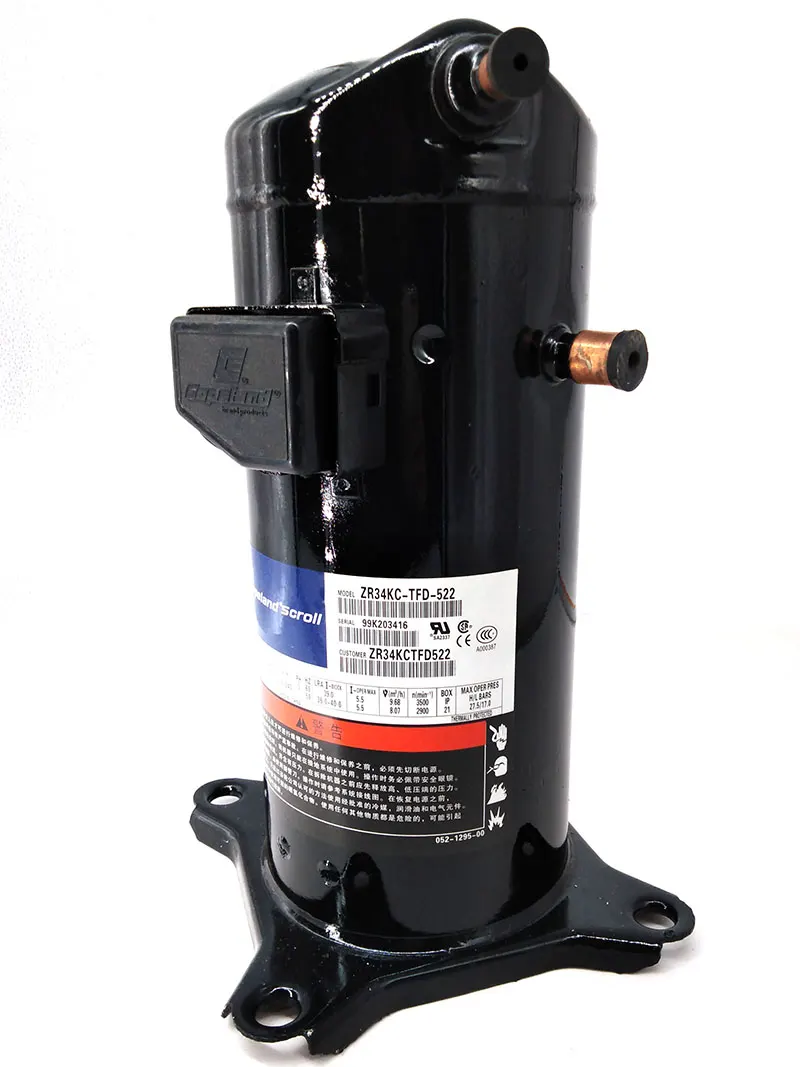
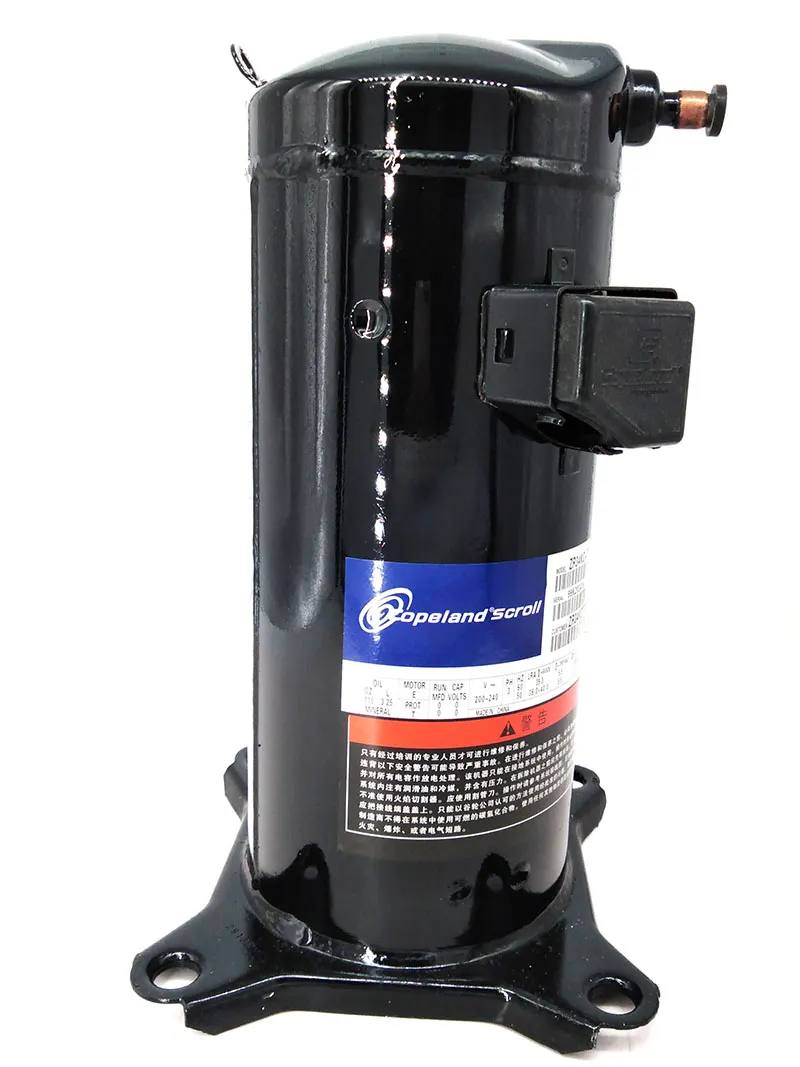
Refrigeration Compressor Troubleshooting Guide for Common Failure Symptoms and Replacement Decisions
A practical guide to refrigeration compressor troubleshooting, covering overheating, locked rotor, low suction, oil issues, electrical faults, and replacement decisions.
Refrigeration compressor troubleshooting is one of the most important service tasks in commercial cooling, cold rooms, display cabinets, air-conditioning systems, and domestic refrigeration. A compressor fault can stop cooling completely, but the compressor is not always the root cause. Poor airflow, refrigerant charge problems, blocked filters, weak electrical components, incorrect controls, and oil return issues can all create symptoms that look like compressor failure.
For distributors, service companies, repair technicians, and cold-room installers, the real challenge is making the right decision quickly: repair the system, replace an accessory part, or replace the compressor. A wrong diagnosis can lead to repeat failures, warranty disputes, high labor cost, and dissatisfied customers.
This guide explains common refrigeration compressor failure symptoms, how to check them in the field, and how to decide whether the compressor should be repaired, supported with new components, or replaced entirely.
Start With the Basics: Confirm the System Condition Before Condemning the Compressor
A compressor should not be judged by one symptom alone. Many compressor problems are secondary faults caused by the system around it. Before replacing a compressor, technicians should confirm the operating conditions, electrical supply, refrigerant circuit, and control logic.
Useful first checks include:
- Confirm the correct power supply, voltage range, phase condition, and frequency.
- Check whether the thermostat, pressure switch, controller, contactor, relay, or overload is calling for operation.
- Inspect condenser and evaporator airflow.
- Look for dirty coils, blocked filters, failed fans, or restricted air paths.
- Measure suction and discharge pressures under stable running conditions.
- Check superheat, subcooling, discharge temperature, and compressor current draw.
- Inspect for refrigerant leaks, oil stains, abnormal vibration, or burnt electrical odor.
- Review recent service history, including refrigerant charging, compressor replacement, valve work, or electrical repairs.
A compressor not starting may be caused by a failed start capacitor, weak relay, open overload, low voltage, locked rotor, or internal winding failure. A cold room compressor problem may come from insufficient load, a stuck expansion valve, an iced evaporator, or a dirty condenser. The more complete the diagnosis, the lower the risk of replacing a good compressor.
Safety and practical field discipline
Refrigeration systems involve high pressure, high temperature, rotating equipment, and electrical hazards. Electrical isolation, pressure-safe procedures, refrigerant recovery rules, and local regulations must be followed. For commercial sites, technicians should also document nameplate data, operating readings, and fault codes before removing parts. This helps distributors and replacement suppliers match the correct compressor model and understand whether the original failure may repeat.
Common Refrigeration Compressor Failure Symptoms and Likely Causes
Compressor failure symptoms often overlap. A compressor may overheat because of high discharge pressure, low refrigerant charge, poor oil return, incorrect voltage, or internal mechanical wear. The best approach is to connect the symptom to measurable evidence.
Compressor not starting
A compressor not starting is one of the most common service calls. The unit may hum briefly and trip, click repeatedly, or show no response at all.
Typical causes include:
- No power or incorrect voltage at the compressor terminals
- Failed start relay, run capacitor, start capacitor, potential relay, or PTC device
- Open overload protector
- Contactor failure or loose wiring
- Locked rotor condition
- Open, shorted, or grounded motor winding
- Control circuit problem, such as thermostat, pressure switch, controller, or safety lockout
Field checks should include supply voltage under load, terminal resistance, ground insulation test, capacitor microfarad value, contactor condition, and locked rotor current. If the compressor draws high current and trips immediately, a locked rotor or mechanical seizure is possible. If there is no current draw, the issue may be upstream in the control or wiring circuit.
For small hermetic refrigerator compressors, external starting components are often replaced before condemning the compressor, provided the winding readings are normal. For larger semi-hermetic or commercial compressors, deeper electrical and mechanical checks may be justified.
Compressor overheating
Compressor overheating can shorten motor insulation life, degrade oil, and lead to repeated overload trips. The shell or head may be unusually hot, the compressor may shut down on thermal protection, or the system may run but deliver poor cooling.
Common causes include:
- Dirty condenser coil or failed condenser fan
- High ambient temperature around the condensing unit
- Overcharged refrigerant or non-condensables in the system
- Low refrigerant charge causing poor motor cooling in suction-cooled compressors
- High compression ratio due to low suction pressure and high discharge pressure
- Incorrect refrigerant or wrong compressor application
- Poor oil return or oil breakdown
- Electrical problems such as low voltage, phase imbalance, or loose terminals
The key readings are discharge pressure, suction pressure, superheat, subcooling, discharge line temperature, voltage, and current. A compressor overheating problem should not be solved only by replacing the overload protector. The heat source must be identified.
Locked rotor and high starting current
Locked rotor means the compressor motor cannot start rotation. The technician may hear a hum, then a click as the overload trips. Current may rise close to the locked rotor ampere value shown on the nameplate.
Possible causes include:
- Mechanical seizure inside the compressor
- Liquid refrigerant migration or liquid slugging
- High pressure difference at startup
- Incorrect or weak starting components
- Low supply voltage
- Damaged motor winding
A hard-start kit may help in some systems with marginal starting conditions, but it should not be used as a permanent solution for a mechanically failing compressor without diagnosis. If the compressor remains locked after correct voltage, start components, and pressure equalization are confirmed, replacement is usually the practical decision.
Low suction pressure and poor cooling
Low suction pressure is not automatically a compressor fault. It often indicates that the evaporator is being starved or airflow is restricted.
Common causes include:
- Low refrigerant charge due to leakage
- Restricted filter drier, capillary tube, expansion valve, or liquid line
- Iced or dirty evaporator coil
- Evaporator fan failure
- Incorrect expansion valve adjustment or faulty sensing bulb position
- Low load condition in the cold room or cabinet
- Undersized or incorrectly applied evaporator
A weak compressor can also produce poor pumping performance, but technicians should avoid jumping to this conclusion. Compare suction pressure, discharge pressure, superheat, subcooling, and amp draw. A worn compressor may show low discharge pressure, higher-than-expected suction pressure, reduced capacity, and abnormal current patterns. A restriction normally shows low suction, possible low discharge or abnormal subcooling, and high superheat.
High discharge temperature
High discharge temperature is a serious compressor failure symptom because it can damage valves, oil, gaskets, and motor insulation. It may also cause carbon formation and acid development in severe cases.
Likely causes include:
- High compression ratio
- Low refrigerant charge
- High suction superheat
- Dirty condenser or failed condenser fan
- Non-condensables in the refrigerant circuit
- Incorrect refrigerant or compressor selection
- Restricted discharge line or condenser circuit
- Poor cooling around the compressor body
Discharge temperature should be checked with an appropriate thermometer at a consistent location near the compressor discharge line, while also checking pressures and superheat. If discharge temperature remains excessive after airflow, charge, and expansion control are corrected, compressor valve damage or application mismatch should be considered.
Short cycling
Short cycling means the compressor starts and stops too frequently. It increases electrical stress, reduces oil return stability, and may prevent the system from reaching target temperature.
Common causes include:
- Incorrect thermostat or controller settings
- Faulty temperature sensor or poor sensor location
- High-pressure or low-pressure switch trips
- Refrigerant undercharge or overcharge
- Dirty condenser or evaporator
- Oversized compressor for the load
- Poor airflow or blocked return air
- Control relay, contactor, or wiring fault
In cold rooms, short cycling can also occur when the system capacity is too large for the room load or when the thermostat differential is too narrow. For service teams, it is important to identify whether the compressor is being stopped by temperature control, pressure safety, overload, or power interruption.
Oil issues and poor oil return
Oil problems are a major cause of compressor damage, especially in commercial refrigeration and cold-room systems with long pipe runs, multiple evaporators, or variable load conditions.
Warning signs include:
- Low oil level in sight glass, where applicable
- Foaming oil during startup
- Oil stains at joints or service valves
- Noisy operation or bearing wear
- Repeated compressor overheating
- Oil trapped in evaporator or suction line
- Burnt oil smell after compressor failure
Poor oil return may be caused by incorrect pipe sizing, inadequate suction velocity, missing oil traps in vertical risers, low load operation, refrigerant migration, or frequent short cycling. Simply adding oil without correcting the reason for oil loss can create new problems, including reduced heat transfer and liquid management issues.
When replacing a compressor after oil-related failure, technicians should inspect pipework design, operating superheat, crankcase heater function where used, and refrigerant migration control. This is especially important for cold-room contractors and engineering installers.
Electrical faults and motor winding problems
Electrical faults can be external or internal. External faults are often repairable. Internal motor faults usually lead to compressor replacement.
Common electrical problems include:
- Loose terminals or burnt connectors
- Contactor pitting or coil failure
- Incorrect capacitor value
- Open overload protector
- Voltage drop during startup
- Phase loss or phase imbalance on three-phase systems
- Incorrect wiring after service
- Grounded, open, or shorted compressor windings
Resistance readings between compressor terminals should be compared logically, and insulation resistance to ground should be tested with suitable equipment. On three-phase compressors, phase balance and contactor condition are critical. A single-phasing event can quickly overheat a motor.
If external components fail repeatedly, look for root causes such as high current draw, overheating, poor ventilation in the electrical panel, moisture ingress, or undersized wiring.
Troubleshooting by Measurement: What Each Reading Can Tell You
Good refrigeration compressor troubleshooting depends on measurements, not guesswork. A technician should build a complete picture from pressure, temperature, current, and electrical data.
Pressure readings
Suction and discharge pressure help identify the basic operating condition, but they must be interpreted with the refrigerant type, ambient temperature, box temperature, and load condition.
- Low suction with high superheat often suggests undercharge, restriction, or insufficient feeding.
- Low suction with low superheat may suggest low load, airflow restriction, or evaporator icing.
- High discharge pressure may suggest dirty condenser, overcharge, non-condensables, or poor condenser airflow.
- Low discharge pressure with poor cooling may suggest low charge or compressor pumping weakness, depending on the full readings.
Temperature readings
Temperature readings help confirm whether the refrigerant circuit is absorbing and rejecting heat correctly.
Important checks include:
- Suction line temperature for superheat calculation
- Liquid line temperature for subcooling calculation
- Discharge line temperature for compressor heat stress
- Condenser air entering and leaving temperatures
- Evaporator air entering and leaving temperatures
- Compressor shell or head temperature where relevant
High superheat can lead to high discharge temperature. Low superheat can indicate floodback risk. Both conditions can damage compressors in different ways.
Electrical readings
Current draw and voltage readings show whether the compressor is operating within a healthy electrical range.
- High current can result from high pressure, mechanical drag, low voltage, or winding issues.
- Low current with poor cooling may indicate low load, low refrigerant flow, or worn compressor valves.
- Voltage imbalance can overheat three-phase motors.
- Repeated overload trips indicate a condition that must be corrected, not only a failed protector.
For replacement buyers and distributors, electrical data is also important for confirming the correct compressor specification, including voltage, phase, frequency, starting method, and application range.
Repair, Replace Parts, or Replace the Compressor: A Practical Decision Tree
The decision to repair or replace should balance technical condition, part availability, labor cost, system age, contamination risk, and downtime. For overseas distributors and repair companies, stocking the right compressor models and service parts depends on understanding which failures are repairable and which usually require full replacement.
Step 1: Is the compressor receiving correct power and control signal?
If no, repair the electrical supply or control circuit. Check fuses, breakers, contactors, relays, thermostats, pressure switches, controllers, and wiring.
If yes, continue to the starting and running checks.
Step 2: Does the compressor fail to start but the windings test normal?
If the windings are normal and there is no ground fault, inspect external starting components.
Replace parts when appropriate:
- Start relay or PTC device
- Run capacitor or start capacitor
- Potential relay
- Overload protector
- Contactor or terminals
After replacement, confirm starting current, running current, and operating pressures. If the compressor still cannot start under correct conditions, move toward compressor replacement.
Step 3: Is the compressor locked, grounded, open-winding, or internally shorted?
If yes, replace the compressor. Internal electrical or mechanical failure is generally not field-repairable for hermetic compressors. For some semi-hermetic compressors, specialist overhaul may be possible, but many commercial service situations still favor replacement due to downtime and reliability concerns.
Before installing a new compressor, identify why the old one failed. Check refrigerant charge, oil condition, airflow, voltage, controls, and contamination.
Step 4: Is the compressor running but overheating or tripping?
Do not replace the compressor immediately. Check external causes:
- Condenser coil and fan operation
- Refrigerant overcharge or undercharge
- Non-condensables
- High ambient condition
- Low suction pressure and high compression ratio
- Voltage problems
- Oil return and short cycling
If these issues are corrected and the compressor operates normally, replacement is not required. If overheating continues with abnormal noise, poor pumping, or unstable current, compressor damage may already exist.
Step 5: Is cooling performance poor with abnormal pressures?
Separate system faults from compressor pumping faults.
Repair system components when evidence points to:
- Refrigerant leak
- Blocked filter drier
- Restricted capillary tube or expansion valve
- Iced evaporator
- Fan failure
- Dirty heat exchangers
- Incorrect controller settings
Consider compressor replacement when the system is clean, correctly charged, has proper airflow, and still shows signs of poor compression, valve damage, excessive noise, overheating, or abnormal current.
Step 6: Is there oil contamination, burnout, or repeated compressor failure?
If oil is dark, acidic, contaminated, or burnt, a compressor replacement alone may not be enough. The system may need cleanup procedures, filter drier replacement, evacuation, leak repair, and careful commissioning. Repeated failures often point to an unresolved application or installation issue.
For cold-room systems, review pipe sizing, oil traps, defrost control, evaporator loading, and compressor cycling frequency. For refrigerator compressor fault diagnosis, check capillary restrictions, condenser cleanliness, and starting components.
Simple field decision summary
Use this practical rule set:
- Repair the system if the compressor is healthy but pressures, temperatures, airflow, charge, or controls are wrong.
- Replace parts if external electrical components, fans, sensors, valves, capacitors, relays, or contactors are confirmed faulty.
- Replace the compressor if it is grounded, mechanically locked, internally shorted, open-winding, severely noisy, unable to pump after system faults are corrected, or damaged by confirmed burnout.
What Distributors, Repair Teams, and Installers Should Pay Attention To
Refrigeration compressor troubleshooting is not only a technical activity. It also affects inventory planning, quotation accuracy, and customer trust.
Distributors should collect key information before quoting a replacement:
- Compressor brand and model number
- Refrigerant type
- Voltage, phase, and frequency
- Application: LBP, MBP, HBP, air-conditioning, refrigerator, freezer, or cold room
- Cooling capacity requirement and operating temperature range
- Starting components required
- Mounting style, connection type, and oil type where applicable
Repair companies should keep common electrical parts available, especially capacitors, relays, overloads, contactors, fan motors, filter driers, and controllers. These parts often solve compressor-like symptoms without replacing the compressor.
Cold-room installers should focus on design conditions that protect the compressor: correct pipe sizing, stable oil return, adequate condenser airflow, proper defrost strategy, and suitable control settings. A well-installed system reduces compressor overheating, short cycling, and oil-related failures.
Replacement buyers should avoid selecting a compressor only by horsepower. Compressor application range, refrigerant, displacement, capacity, voltage, oil type, and operating envelope matter. When an original model is unavailable, cross-reference should be handled carefully to ensure the replacement can operate safely in the same system.
Conclusion: Accurate Diagnosis Protects the Compressor and the Customer
A refrigeration compressor is expensive, but many compressor failure symptoms begin outside the compressor. Overheating, low suction, high discharge temperature, short cycling, oil return problems, and electrical faults must be checked as part of a complete system diagnosis.
The best replacement decision is based on evidence. If the compressor is electrically sound and mechanically healthy, repair the external fault. If a supporting component has failed, replace the part and verify operation. If the compressor is locked, grounded, internally damaged, or no longer pumping correctly after system faults are corrected, full replacement is the responsible choice.
For distributors, service technicians, repair companies, and cold-room contractors, disciplined troubleshooting reduces repeat failures, improves parts selection, and helps keep refrigeration systems operating reliably.
FAQ
What are the most common refrigeration compressor failure symptoms?
Common symptoms include the compressor not starting, overheating, locked rotor trips, low suction pressure, high discharge temperature, short cycling, abnormal noise, oil problems, high current draw, and poor cooling performance. These symptoms can be caused by the compressor itself or by external system faults.
How do I know if a compressor not starting is actually faulty?
Check the power supply, voltage under load, control signal, contactor, overload, relay, capacitors, and winding resistance before condemning the compressor. If the windings are grounded, open, internally shorted, or the compressor remains locked under correct starting conditions, replacement is usually required.
Can compressor overheating be repaired without replacing the compressor?
Yes, if the overheating is caused by external issues such as dirty condenser coils, failed fans, incorrect refrigerant charge, high compression ratio, low voltage, or poor airflow. If overheating continues after these issues are corrected, the compressor may already have internal damage.
When should a refrigeration compressor be replaced instead of repaired?
Replace the compressor when it is mechanically locked, grounded, internally shorted, open-winding, severely noisy, damaged by burnout, or unable to pump correctly after airflow, refrigerant charge, controls, and electrical components have been verified.
Why do replacement compressors fail again after installation?
Repeat failures usually happen when the original cause was not corrected. Common reasons include dirty condensers, poor oil return, refrigerant migration, wrong charge, restrictions, voltage problems, short cycling, contamination after burnout, or incorrect compressor selection.
Buyer Next Step
Move from research to sourcing with a category shortlist, relevant product examples, and a quote request channel.